If you’re researching Shopify website design costs in Australia, you’ve probably noticed pricing can vary dramatically. Some businesses launch a basic Shopify store for a few thousand dollars, while others invest significantly more into custom ecommerce experiences designed for long-term growth.
The reality is that there is no universal Shopify website price. Costs depend on the complexity of the build, the functionality required, the level of design customisation, and how strategically the website is planned from the start.
This guide explains typical Shopify website design pricing in Australia, what affects costs, and how to determine the right level of investment for your business.
Why Shopify Website Design Costs Vary So Much
No two ecommerce businesses have identical requirements. A small startup selling ten products has very different needs compared to an established retailer managing hundreds of products, multiple integrations, and ongoing marketing campaigns.
Shopify website pricing is influenced by several key factors:
- Number of products and collections
- Custom design requirements
- Theme complexity
- Third-party integrations
- SEO and technical optimisation
- Conversion-focused UX design
- Content creation requirements
- Ongoing support and maintenance
Businesses focused purely on launching quickly may choose a lower-cost setup using an existing theme with minimal modifications. Businesses aiming for long-term ecommerce growth often invest more heavily upfront to create a scalable and performance-focused platform.
The level of planning involved also affects pricing. Some projects only require basic setup, while others involve detailed strategy, customer journey mapping, conversion optimisation, and custom development work.
Typical Shopify Website Design Cost Ranges in Australia
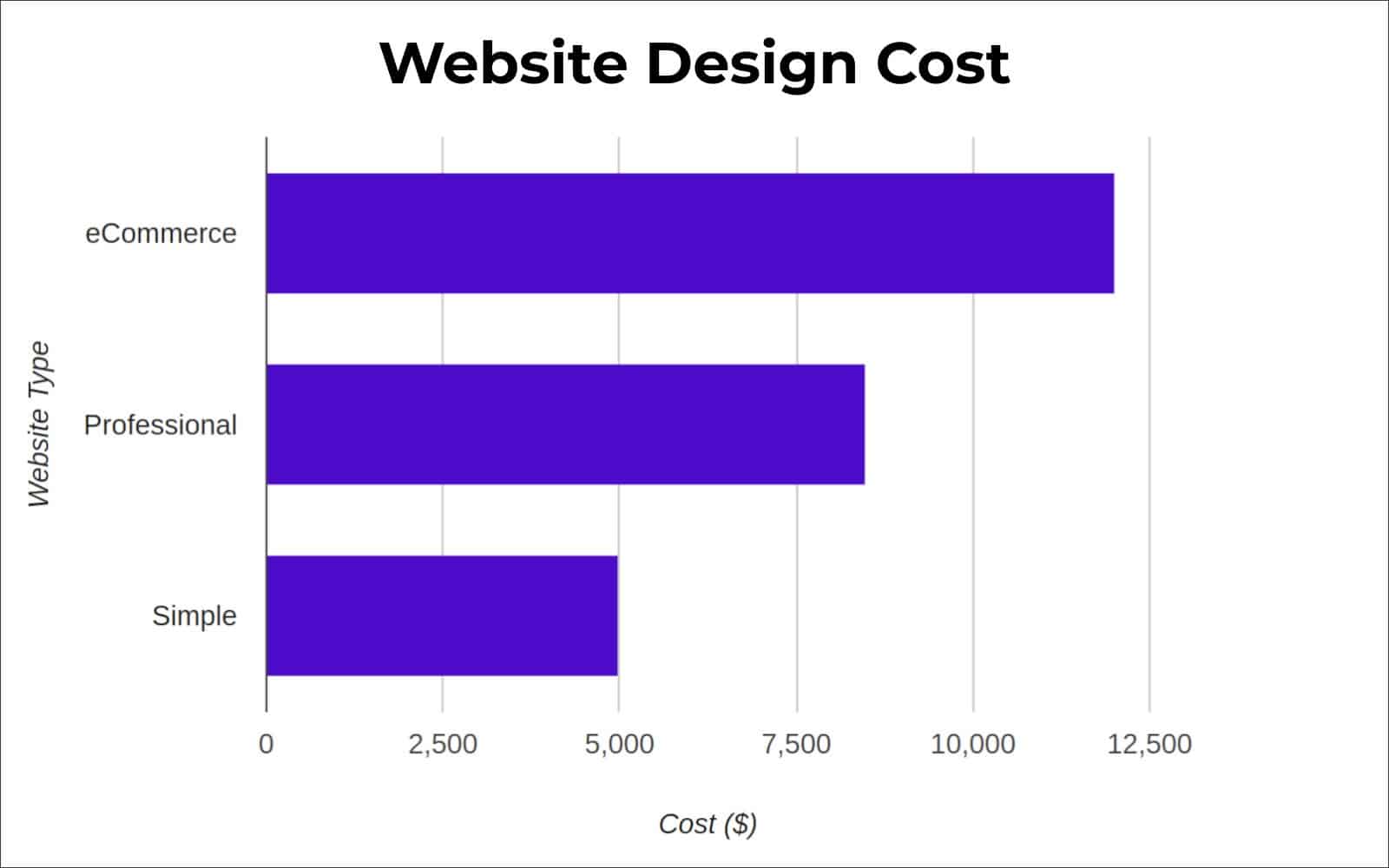
Although every project is different, most Shopify website design projects in Australia fall into several broad pricing categories.
Basic Shopify Website: $2,000 – $4,000+
This pricing range is usually suited to startups or small businesses wanting a relatively simple ecommerce presence.
These projects often include:
- Setup using a pre-built Shopify theme
- Limited design customisation
- Basic product and collection setup
- Standard payment and shipping configuration
- Minimal advanced functionality
This can be a practical option for validating a new product or launching quickly on a limited budget.
However, lower-cost Shopify websites can become restrictive as businesses grow. Many businesses eventually require redesigns, improved UX, stronger SEO foundations, or additional integrations as operational complexity increases.
Professional Shopify Website: $5,000 – $10,000+
This is one of the most common investment ranges for established businesses seeking a more strategic ecommerce solution.
Professional Shopify website projects typically include:
- Brand-aligned customisation
- Improved navigation and user experience
- SEO-focused site architecture
- Mobile optimisation
- Performance enhancements
- App configuration and integration
- Conversion-focused layouts
- Better scalability for future growth
At this level, the focus shifts from simply “having a website” to creating an ecommerce platform that supports marketing, customer trust, and long-term revenue generation.
For many Australian businesses, this pricing tier delivers the best balance between functionality, scalability, and return on investment.
Advanced or Custom Shopify Builds: $10,000 – $25,000+
Larger ecommerce businesses or high-growth brands often require significantly more customisation and technical capability.
Advanced Shopify website builds may include:
- Fully custom Shopify theme development
- Complex product logic
- Subscription functionality
- ERP or CRM integrations
- Advanced automation workflows
- Multi-location inventory systems
- International ecommerce support
- Conversion rate optimisation strategies
- Ongoing testing and refinement
These projects are typically more collaborative and strategy-driven, involving deeper UX planning, custom development, and long-term optimisation support.
For ecommerce-led businesses, investing in a scalable and technically robust Shopify website can reduce operational friction while supporting future expansion.
DIY Shopify vs Hiring a Shopify Agency
Many businesses initially consider building a Shopify website themselves to reduce upfront costs. Shopify’s ease of use and extensive template marketplace make DIY ecommerce setups appealing.
However, the real cost of DIY Shopify websites is often underestimated.
DIY Shopify costs commonly include:
- Premium themes
- Paid apps and plugins
- Ongoing troubleshooting
- Time spent learning the platform
- SEO limitations
- Performance issues
- Rebuild costs later
While DIY solutions can work for smaller projects, businesses frequently encounter scalability issues once traffic, product complexity, or marketing activity increases.
Working with a Shopify agency provides access to strategy, design expertise, technical development, and ongoing support. This can help avoid common ecommerce mistakes that negatively impact conversions, SEO, or long-term maintainability.
For businesses where ecommerce is a primary revenue channel, professional Shopify development is often more cost-effective over time.
What’s Usually Included in Shopify Website Design Pricing?
One of the biggest differences between Shopify quotes is what is actually included within the project scope.
Professional Shopify website design services commonly include:
- Discovery and planning
- Ecommerce strategy
- Shopify setup and configuration
- Theme customisation
- Responsive design optimisation
- Product and collection setup
- Navigation structure
- Payment gateway setup
- Shipping configuration
- Basic technical SEO setup
- Speed and performance optimisation
- App integration
- Website testing
- Launch support
Some agencies also include content support, copywriting, training sessions, or ongoing optimisation retainers.
Before comparing quotes, businesses should clarify exactly what deliverables are included and whether post-launch support is available.
Ongoing Shopify Website Costs to Budget For
The initial website build is only one part of the overall ecommerce investment.
Ongoing Shopify costs may include:
- Shopify monthly subscription fees
- Paid app subscriptions
- Email marketing platforms
- Payment processing fees
- Website maintenance
- SEO and marketing campaigns
- Product photography
- Conversion optimisation
- Ongoing development support
Planning for these ongoing costs helps businesses avoid budget surprises and maintain consistent website performance after launch.
What Impacts Shopify Website Pricing the Most?
Several factors tend to have the largest influence on overall Shopify website costs.
Design Complexity
Simple template adjustments are significantly more affordable than fully custom ecommerce experiences.
Businesses requiring highly tailored branding, animations, custom layouts, or advanced UX design should expect higher development costs.
Ecommerce Functionality
Features such as subscriptions, product bundles, advanced filtering, memberships, or custom checkout experiences increase technical complexity.
The more customised the customer experience becomes, the more development time is usually required.
Integrations and Automation
Integrating Shopify with external systems such as CRMs, inventory management tools, accounting software, or fulfilment platforms can substantially affect pricing.
Complex integrations often require custom development and ongoing maintenance.
SEO and Performance Requirements
SEO-friendly site architecture, technical optimisation, structured metadata, image optimisation, and performance improvements all contribute to a more effective ecommerce website.
While these features add to upfront investment, they can significantly improve visibility and conversion potential long term.
Is Shopify Website Design Worth the Investment?
For most businesses, the better question is not “What is the cheapest Shopify website possible?” but rather “Will this website support long-term growth?”
A professionally designed Shopify website can:
- Improve conversion rates
- Increase average order value
- Build customer trust
- Improve search visibility
- Reduce operational inefficiencies
- Support paid advertising performance
- Create a better mobile shopping experience
Viewed strategically, Shopify website design is not simply a business expense. It is an investment into revenue generation, operational efficiency, and long-term brand growth.
Choosing the Right Shopify Website Partner
Choosing the right Shopify agency is just as important as determining your budget.
When evaluating providers, consider:
- Ecommerce experience
- Portfolio quality
- SEO capability
- Technical expertise
- Communication process
- Post-launch support
- Scalability considerations
A good Shopify agency should help you balance budget, business goals, customer experience, and future growth requirements rather than simply selling the cheapest possible solution.
Get an Instant Quote for Shopify Website Design
If you’re evaluating Shopify website design costs in Australia and want transparent pricing backed by strategic ecommerce expertise, working with the right partner makes a significant difference.
Arvo Agency designs Shopify websites focused on performance, scalability, SEO, and long-term business growth. Whether you’re launching a new ecommerce brand or upgrading an existing online store, the right Shopify setup can create lasting value for your business.
How much does a Shopify website cost in Australia?
Shopify website costs in Australia typically range from $2,000 for basic setups through to $25,000+ for advanced custom ecommerce websites. Pricing depends on design complexity, integrations, functionality, and strategic requirements.
Why are some Shopify websites much more expensive?
More expensive Shopify websites usually involve custom development, advanced integrations, strategic UX planning, SEO optimisation, and scalable ecommerce functionality designed for long-term growth.
Is Shopify good for small businesses?
Yes. Shopify is widely used by startups and small businesses because it offers flexible ecommerce functionality, strong scalability, and relatively low technical barriers compared to custom-built ecommerce platforms.
Can I build a Shopify website myself?
Yes, but DIY Shopify websites can become limiting as businesses grow. Many businesses eventually require professional optimisation, redesigns, or technical support to improve performance and scalability.