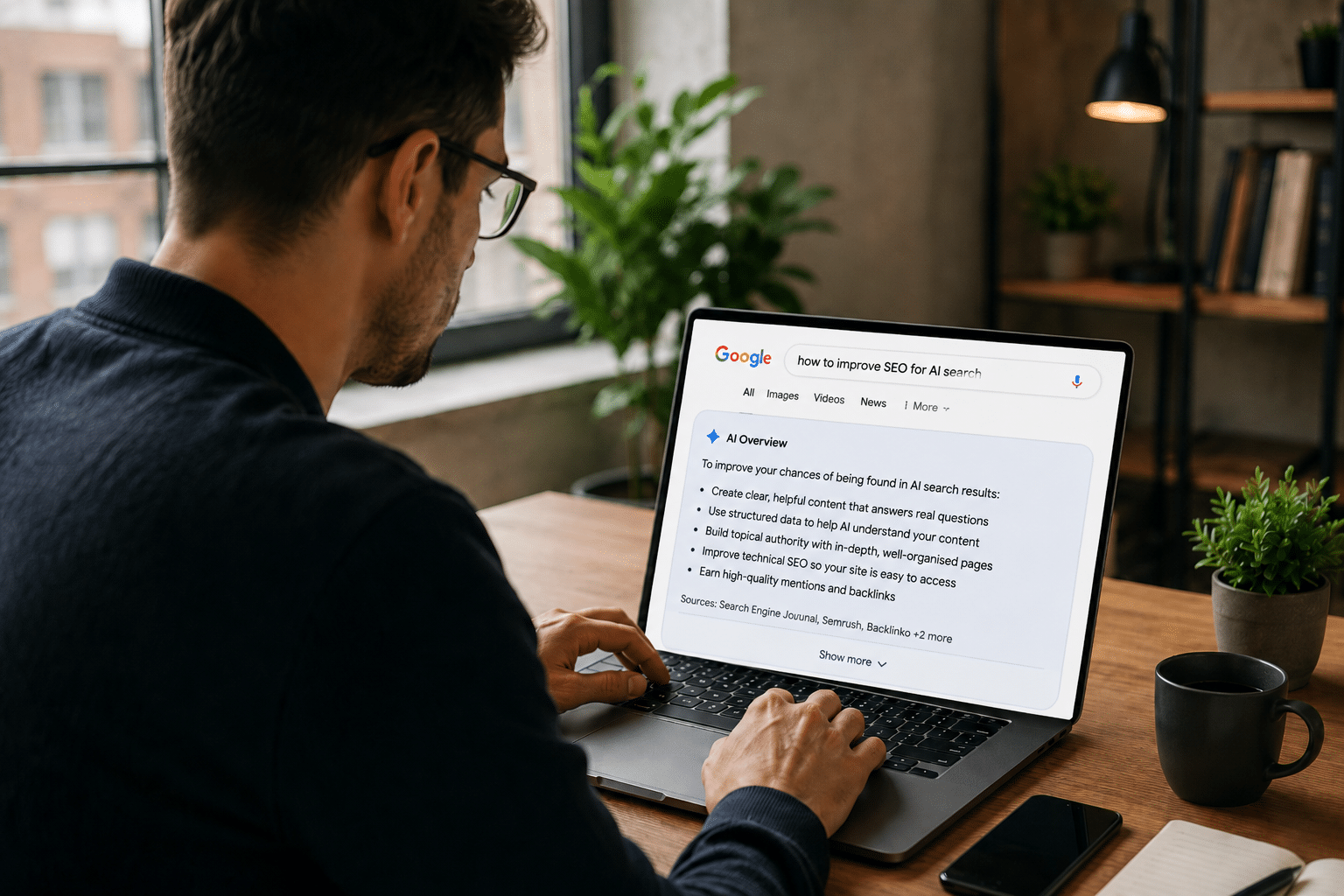
Google has confirmed there is no separate algorithm for ranking in AI Overviews or AI Mode. In May 2026, Search Central published its first official guide to optimising for generative AI features, and the core message is blunt: these features run on the same ranking and quality systems as traditional Search. If your site is built well for Search, it’s already built for AI Search. This is what the guide actually says, what it debunks, and what it means for how you should be spending your SEO budget.
Key Takeaways
- Google confirms there is no separate “AI SEO” algorithm. AI Overviews and AI Mode run on the same core ranking and quality systems as standard Search results.
- Retrieval-augmented generation (RAG) is the mechanism behind AI answers. It pulls from Google’s existing Search index, meaning unindexed or uncrawlable pages can’t be cited no matter how well written they are.
- Google explicitly tells site owners to ignore several popular “AEO” tactics: llms.txt files, content chunking, AI-specific rewriting, and chasing brand mentions across the web.
- Original, first-hand, experience-led content is named as the single biggest lever for AI visibility, ahead of any technical or structural change.
- Search Console’s dedicated report lets site owners measure how content performs specifically within AI-powered results.
There’s no separate algorithm for AI Search
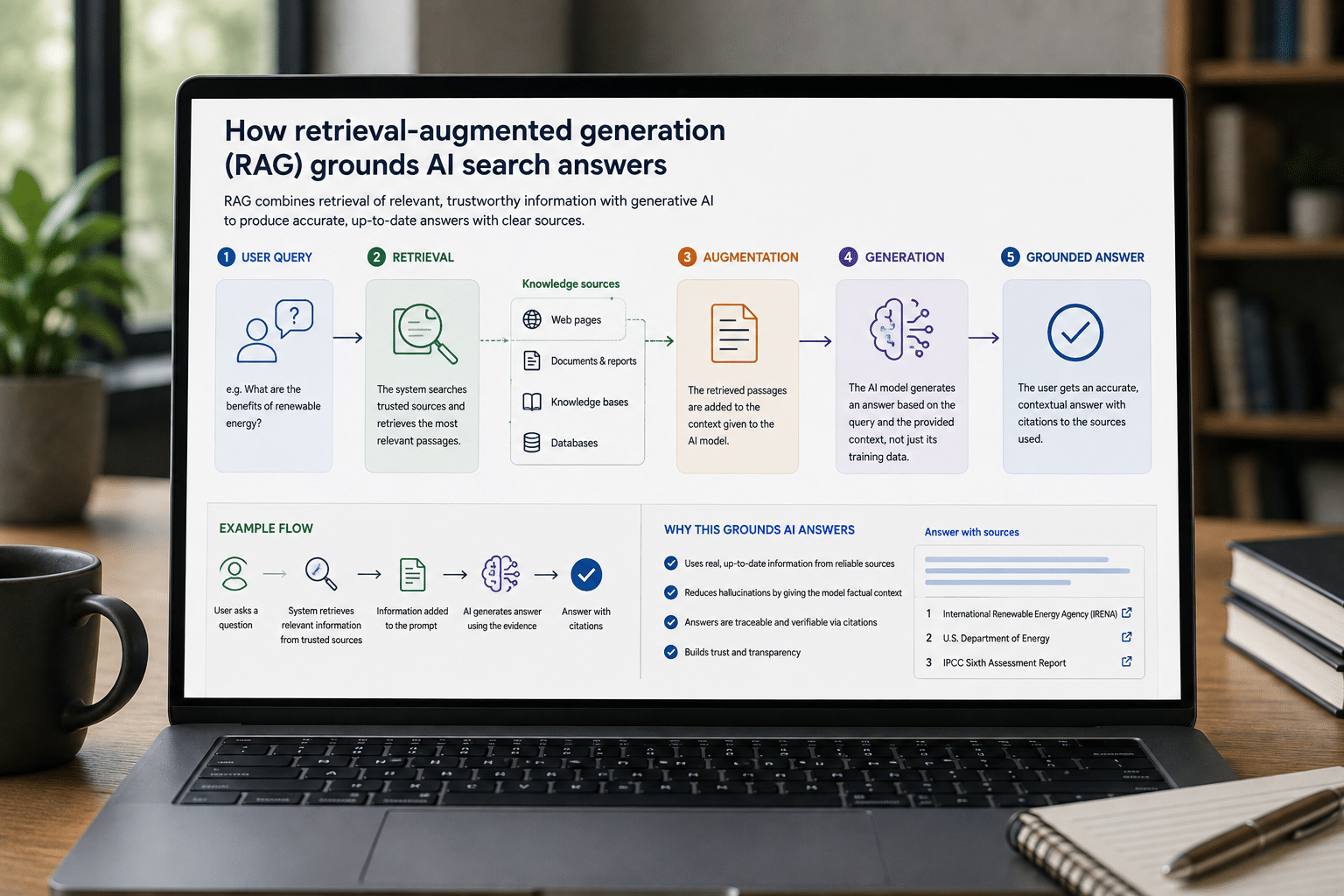
The guide’s opening point settles a debate that’s been running since AI Overviews launched: generative AI features are not a parallel ranking system. They sit on top of Google’s existing Search index and quality systems, surfaced through two mechanisms.
Retrieval-augmented generation (RAG) is how Google grounds its AI answers in real content. The system retrieves relevant, current pages from the Search index, checks the specific information pulled from them, and generates a response backed by clickable links to the source pages. If a page isn’t indexed, it can’t be retrieved, and it can’t be cited. This is the practical reason technical SEO still matters as much as it ever did.
Query fan-out is the second mechanism. Rather than answering a single query, the model generates a set of related queries to gather a fuller picture before responding. A search for “how to fix a patchy lawn” might quietly also trigger fan-out queries like “best fertiliser for bare patches” or “why is my lawn dying in summer”. Ranking well for the obvious keyword isn’t enough on its own; the content also needs to hold up across the adjacent questions a reader would naturally ask next.
Google is also direct about terminology. “AEO” and “GEO” describe the goal of showing up in AI search experiences, but from Google’s side, optimising for generative AI search is optimising for the search experience. It’s still SEO, not a separate discipline with separate rules.
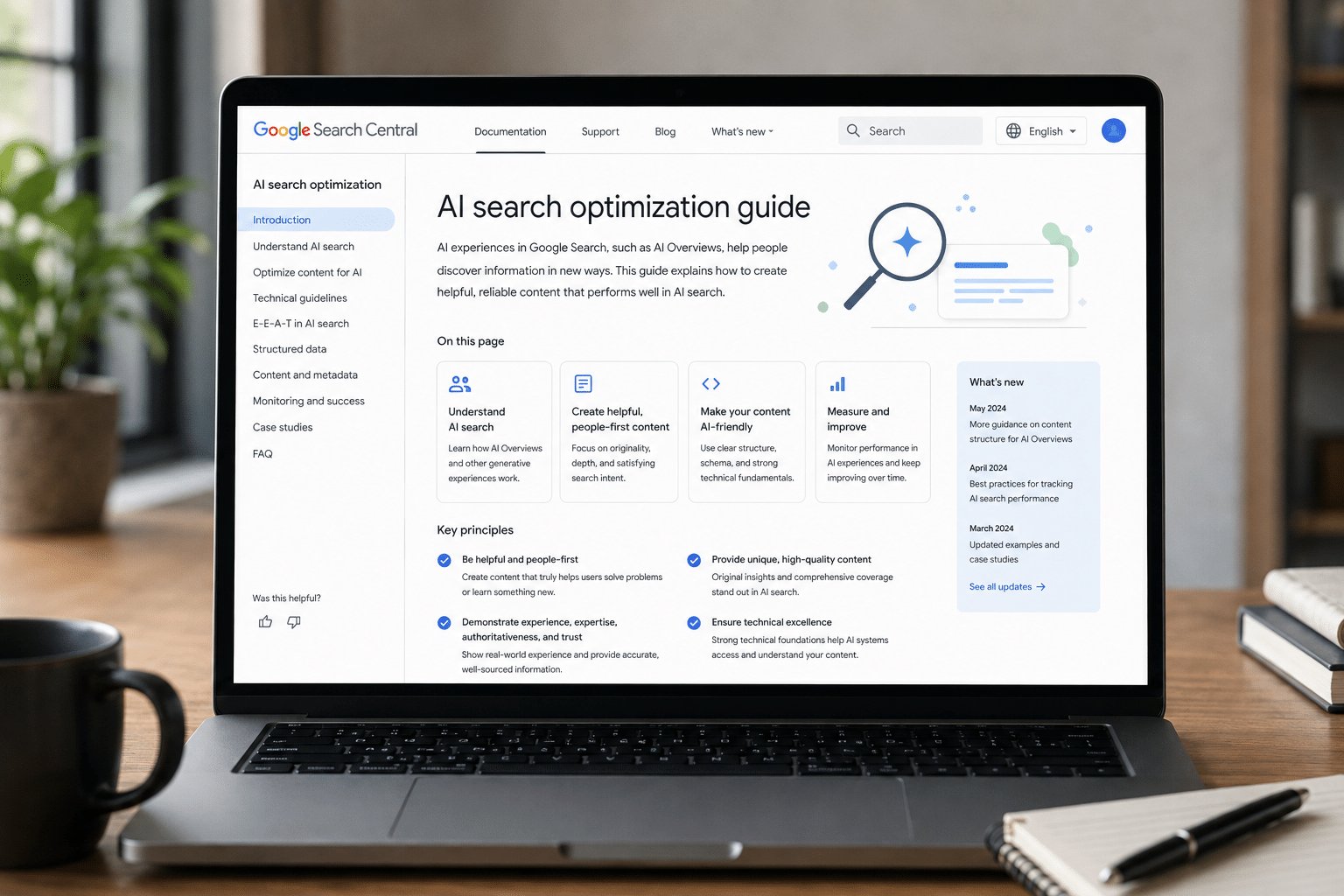
What the guide says actually moves the needle
Three things get repeated emphasis, and none of them are new to anyone doing SEO properly already.
Original, non-commodity content matters more than any other factor in the guide. Google draws a clear line between content that summarises what’s already out there and content built on direct experience: a generic “7 tips for first-home buyers” post versus a first-hand account of a specific decision, with the reasoning and trade-offs included. AI systems synthesise across many sources, so content offering a genuine point of view stands out precisely because it isn’t repeating what ten other pages already say.
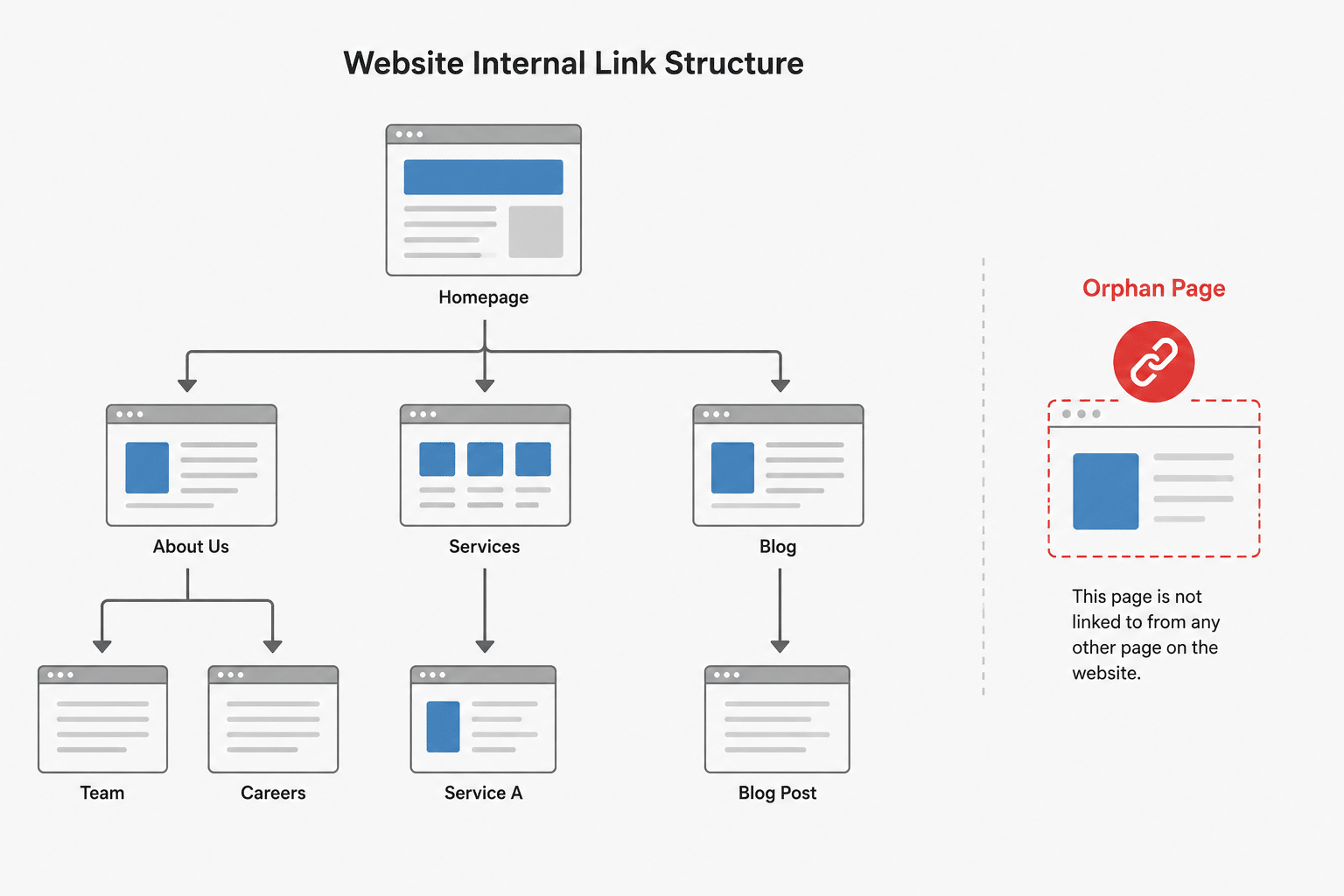
Technical crawlability and indexing remain foundational, because AI systems can only draw on what’s already in the index. That means meeting Google’s standard technical requirements, keeping content genuinely crawlable, following JavaScript SEO best practice where relevant, and reducing duplicate content that dilutes what gets indexed. Sites also need to have generative AI search features switched on in Search Console to be eligible for inclusion.
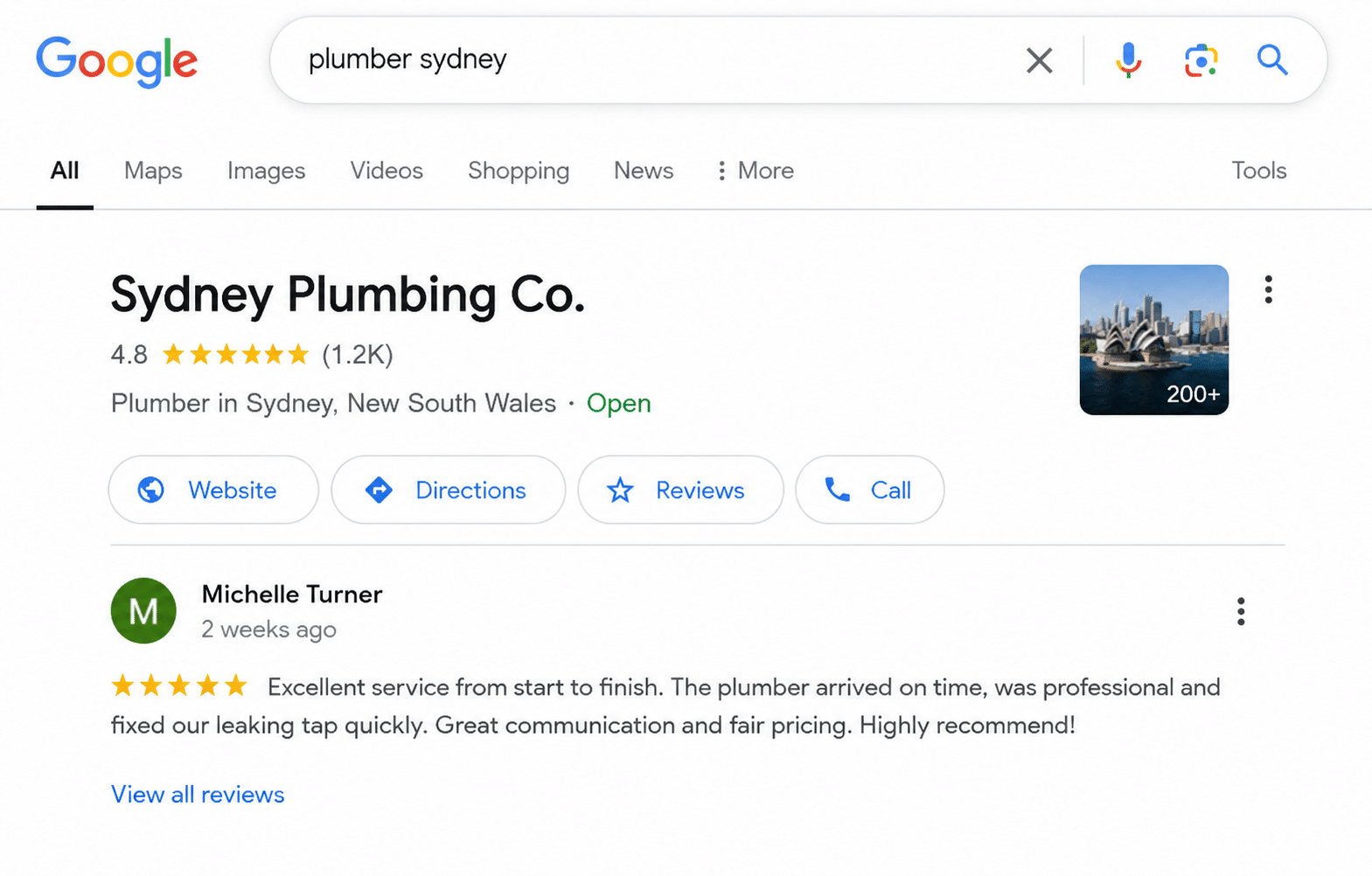
Local and ecommerce data get a direct mention too. Product feeds through Merchant Center and complete Google Business Profile details help surface products and local businesses inside AI-generated answers, the same way they do in standard local and shopping results.
What Google says to stop wasting time on
The more useful part of the guide, for anyone who has spent the last year reading AI SEO advice, is what it explicitly debunks.
llms.txt files and other AI-specific markup do nothing for Google Search. Google Search doesn’t read them. Creating one won’t hurt anything if it’s needed for another platform, but it won’t move a single ranking on Google.
Content “chunking” isn’t necessary either. Google’s systems already understand how topics relate across a page, and there’s no ideal page length for AI visibility. Short and long pages both perform depending on what the topic and audience actually need.
Rewriting content specifically for AI systems is also unnecessary. Google’s language understanding already connects a query’s intent to relevant content, even when the exact wording doesn’t match. Chasing every long-tail variation of a keyword adds pages without adding value, and creating near-duplicate pages purely to cover query variations risks breaching Google’s scaled content abuse policy.
Chasing fake brand mentions across forums, blogs, and review sites doesn’t work the way a lot of AEO advice suggests. Google’s ranking systems are built to reward genuinely useful content and to catch manipulation, and the AI features sit on top of both systems.
Structured data isn’t required for generative AI search either, though Google still recommends it as part of a normal SEO strategy since it supports eligibility for standard rich results.
Measuring what’s actually working
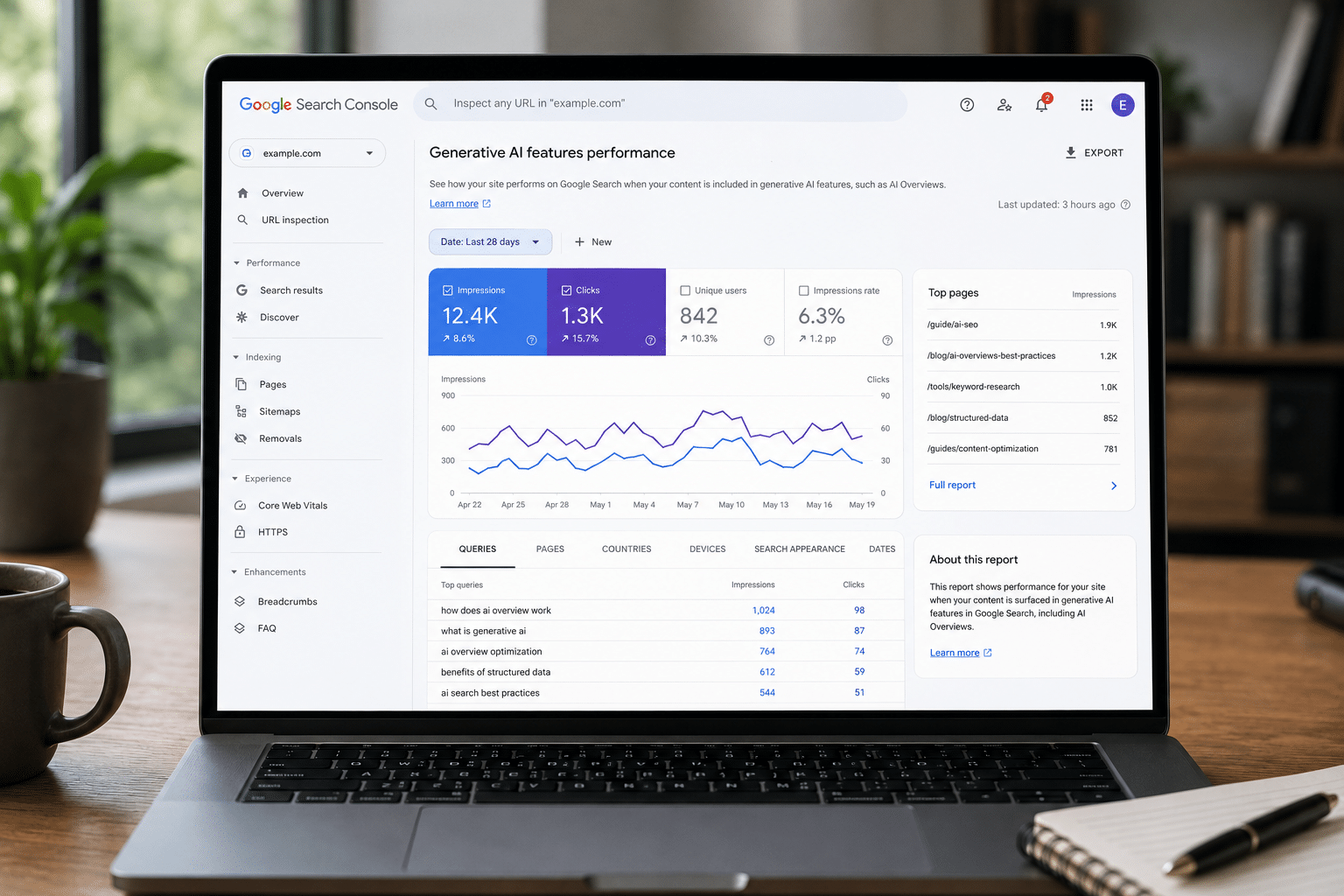
Search Console includes a dedicated performance report for generative AI features, giving site owners visibility into how content performs specifically within AI-powered results rather than guessing from overall traffic trends. Google also flags a genuine risk here: third-party tools claiming access to Google’s internal AI ranking signals don’t have that access, because no external tool does. Any tool promising to reveal how AI Overviews “really work” should be treated with the same scepticism as any other black-box SEO claim.
What this means if you run a business site
For most businesses, this guide is reassuring rather than alarming. It confirms that the fundamentals already known to work, crawlable technical foundations, genuinely useful content, and a clear content structure, are still the fundamentals that matter. There’s no new checklist to chase, no special file to create, and no rewrite required purely to satisfy an AI system.
What it does mean is that the cost of thin, generic content keeps rising. If a page could have been written by anyone with five minutes and a search engine, it’s not going to stand out to a system built specifically to synthesise across everything already out there. The businesses that show up in AI Overviews will be the ones already doing SEO properly: technically sound sites, genuinely useful content, and pages built around what the reader actually needs answered.
Where this leaves your SEO strategy
Google’s own guidance backs up what a properly run SEO strategy has always required: technical foundations that let your content get found, and content worth finding once it is. If your site’s SEO hasn’t been reviewed against that standard recently, that’s the actual gap worth closing, not a new AI-specific checklist.
Arvo runs SEO for Brisbane and Queensland businesses built on exactly this foundation: technical audits first, content built around real information gain, and reporting on outcomes rather than vanity rankings. If you want a clear read on where your site stands against Google’s own standard, book an SEO audit with the team.