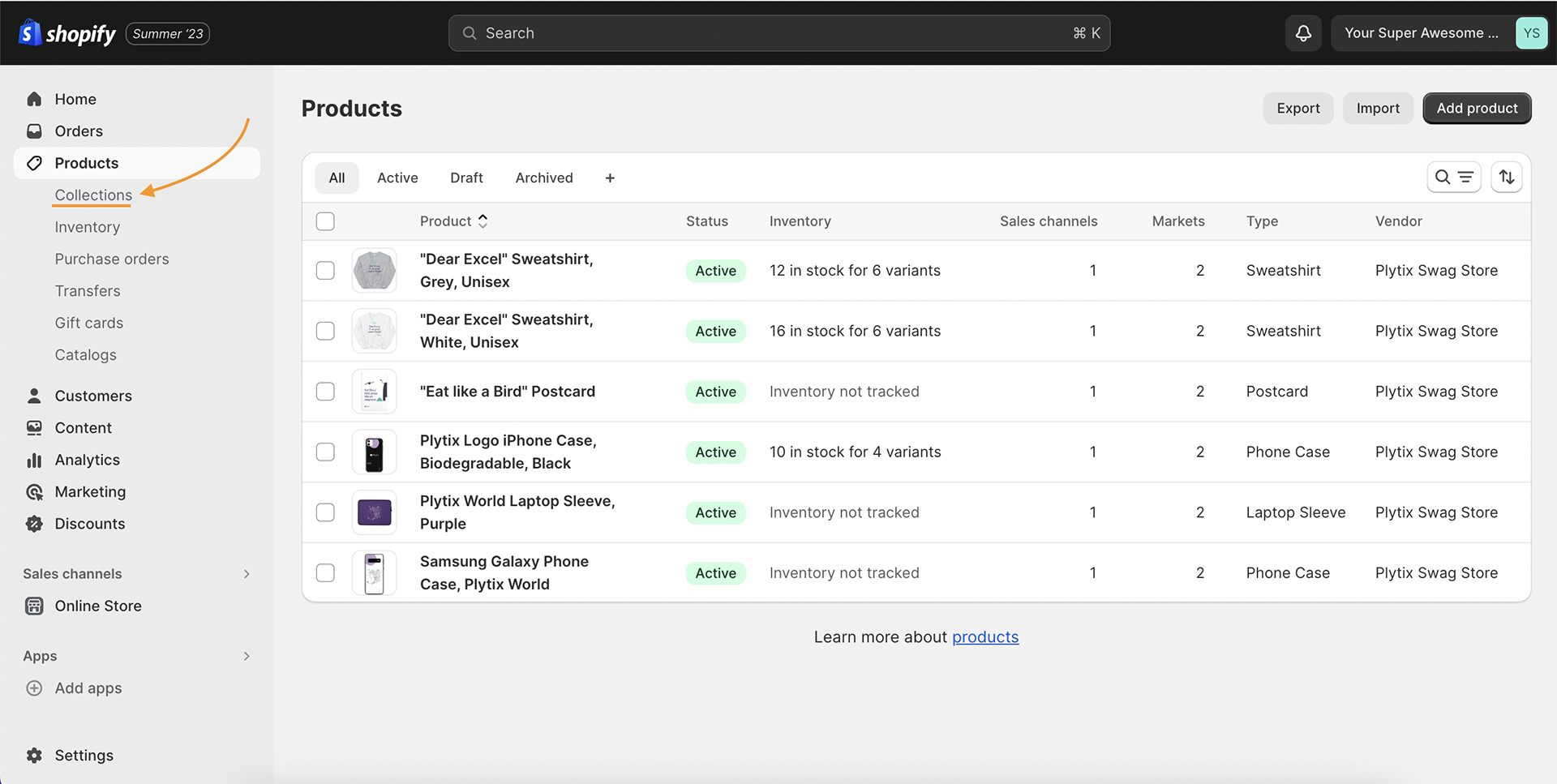
If you’re researching how to set up a Shopify store in Australia, you’re likely looking for a clear, practical process that avoids costly mistakes. Shopify is one of the most popular ecommerce platforms for Australian businesses, but setting it up properly requires more than just choosing a theme and adding products.
This step-by-step guide walks through the full Shopify setup process for Australian businesses, from initial configuration to launch — and highlights where professional support can make a meaningful difference.
Step 1: Create Your Shopify Account
The first step in setting up a Shopify store is creating an account. Shopify offers a free trial, allowing you to explore the platform before committing to a plan.
When creating your account, you’ll be asked about:
- Your business type
- Expected sales volume
- Whether you’re already selling elsewhere
These details help Shopify tailor the setup experience, but they don’t lock you into any decisions.
Step 2: Choose the Right Shopify Plan for Australia
Shopify offers several plans, each suited to different business stages. Australian businesses should consider:
- Transaction fees
- Reporting and analytics needs
- Staff account access
- Scalability as the business grows
Most small to medium businesses start on a basic or standard plan and upgrade as revenue increases.
Step 3: Select and Configure a Shopify Theme
Your theme determines how your store looks and feels. Shopify provides free and paid themes, each with varying levels of flexibility.
When choosing a theme, consider:
- Mobile responsiveness
- Product layout options
- Navigation flexibility
- Page speed and performance
While themes can be customised, heavy modification without planning can create performance or maintenance issues later.
Step 4: Add Products and Structure Your Catalogue
Adding products is more than uploading images and prices. A well-structured catalogue improves usability and conversions.
Best practice includes:
- Clear product titles and descriptions
- High-quality imagery
- Logical collections and categories
- Consistent pricing and variants
For growing stores, product structure should support future expansion, not just launch day.
Step 5: Set Up Payments for Australian Customers
Australian Shopify stores must configure payments correctly to avoid checkout friction.
Common payment options include:
- Shopify Payments
- Credit and debit cards
- Digital wallets
- Buy now, pay later services
Ensuring correct currency, tax handling, and checkout flow is essential for trust and conversion.
Step 6: Configure Shipping and Tax Settings
Shipping and tax setup is one of the most error-prone steps for new Shopify users.
Key considerations include:
- Australian GST configuration
- Domestic vs international shipping rates
- Flat rate vs calculated shipping
- Clear delivery expectations
Incorrect setup can lead to abandoned carts or compliance issues.
Step 7: Install Essential Shopify Apps (Carefully)
Shopify’s app ecosystem is powerful, but overuse can slow your store and complicate maintenance.
Only install apps that:
- Solve a clear business problem
- Are actively maintained
- Don’t duplicate functionality
A lean app stack usually performs better than a feature-heavy one.
Step 8: Optimise for SEO and Performance
Before launching, it’s important to ensure your Shopify store is discoverable and fast.
Basic optimisation steps include:
- Customising page titles and meta descriptions
- Structuring collections logically
- Compressing images
- Testing mobile performance
SEO-aware setup from the start reduces the need for costly fixes later.
Step 9: Test Everything Before Launch
Testing prevents poor first impressions. Before going live, test:
- Checkout and payment flows
- Shipping calculations
- Mobile and desktop layouts
- Forms and notifications
This step is often rushed but plays a major role in early conversion success.
When DIY Shopify Setup Is Enough — and When It Isn’t
Many Australian businesses successfully set up Shopify stores themselves, especially for simple or early-stage projects.
However, professional Shopify design is often worthwhile when:
- Ecommerce is a core revenue channel
- Branding and trust are critical
- Performance and SEO matter
- You want to scale without rework
This is where expert planning and execution can save time and money long term.
Need Professional Shopify Design? Reach Out
If you’re working through how to set up a Shopify store in Australia and want expert guidance, professional Shopify design can help you launch with confidence.
Arvo Agency designs and builds Shopify websites that are scalable, conversion-focused, and ready for growth.
Frequently Asked Questions
How long does it take to set up a Shopify store in Australia?
A basic Shopify store can be set up in days, but professional or more complex builds often take several weeks.
Do I need an ABN to set up a Shopify store?
You can start without one, but an ABN is recommended for tax, payments, and business credibility in Australia.
Can I set up Shopify myself without technical skills?
Yes, Shopify is beginner-friendly, but design, SEO, and performance often benefit from professional input.
What are common mistakes when setting up Shopify?
Poor product structure, too many apps, incorrect tax settings, and weak checkout optimisation are common issues.
When should I hire a Shopify agency?
If ecommerce is central to your business or you want to scale efficiently, hiring an agency early often delivers better outcomes.